

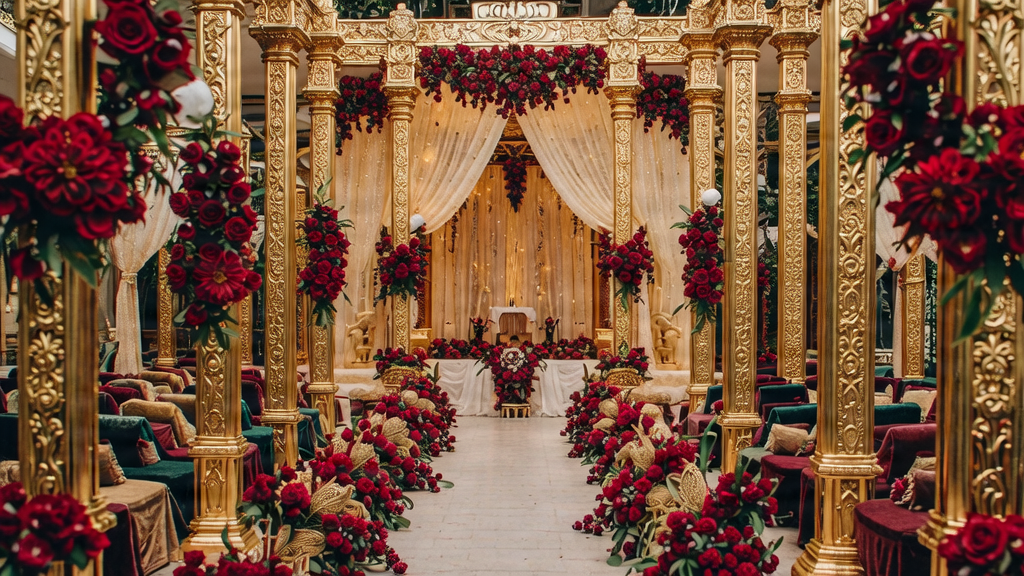
A Complete Guide for Couples
Introduction: Your Dream Wedding Starts Here
A wedding is one of life’s most meaningful celebrations. It brings two people together, unites families, and creates memories that last for years. Every couple imagines their wedding differently. Some dream of a grand traditional Indian wedding filled with flowers, music, and beautiful decorations, while others prefer a simple, intimate celebration surrounded by their closest loved ones.
Whatever your dream looks like, planning a wedding requires time, creativity, organization, and thoughtful decisions. From setting a budget to selecting a venue, choosing decorations, arranging return gifts, and coordinating vendors, every detail plays an important role in making your special day successful.
If you are wondering where to begin, do not worry. You do not need to complete every task at once. With the right approach, you can divide the process into manageable steps and enjoy the journey along the way.
In this guide, we will explain how to plan your dream wedding step by step, with practical tips and creative ideas to help you create a beautiful, memorable, and well-organized celebration.
Step 1: Imagine Your Perfect Wedding
Before making bookings or purchasing decorations, take time to decide what your ideal wedding looks like.
Think about the atmosphere you want to create. Do you imagine a traditional ceremony with cultural rituals, a modern wedding with elegant styling, or a combination of both? Would you prefer a luxurious reception, a garden celebration, or an intimate event at a beautiful venue?
Create a list of your favorite ideas. You can collect inspiration from wedding photographs, magazines, social media, and wedding planning websites.
Consider these elements:
- Your preferred wedding style and theme.
- The number of guests you want to invite.
- The type of venue you prefer.
- Your favorite colors and flowers.
- The ceremonies and traditions that matter to your families.
- The overall experience you want your guests to enjoy.
For example, peach, ivory, and champagne gold can create a soft and elegant atmosphere. Marigold flowers and traditional fabrics can bring warmth to a Haldi ceremony, while ivory floral arrangements can create a sophisticated reception backdrop.
Your wedding vision will become the foundation for future decisions. Rather than following every trend, choose ideas that reflect your personalities and relationship.
Step 2: Set a Realistic Wedding Budget
Budget planning is one of the most important parts of organizing a wedding. A clear budget helps you prioritize expenses and avoid unnecessary financial stress.
Start by deciding how much you can comfortably spend. Discuss the budget with the people who will contribute financially and establish clear expectations from the beginning.
Next, divide the amount into categories such as:
- Venue and accommodation.
- Catering and refreshments.
- Wedding outfits and accessories.
- Photography and videography.
- Decorations and floral arrangements.
- Makeup and hairstyling.
- Invitations and stationery.
- Return gifts and guest favors.
- Transportation and entertainment.
- Emergency expenses.
The amount allocated to each category will depend on your priorities, guest count, location, and wedding style.
Keep track of every quotation, advance payment, and remaining balance in a spreadsheet or budgeting application. Compare different vendors and ask for a complete breakdown of their charges.
It is also wise to reserve some money for unexpected expenses, such as additional guest requirements, last-minute transport, or changes to the decoration plan.
Remember that an elegant wedding is not necessarily an expensive wedding. Thoughtful choices and good planning can help you create a wonderful celebration within your budget.
Step 3: Prepare Your Guest List
Your guest list affects almost every part of your wedding planning. The number of guests influences the venue size, catering costs, seating arrangements, invitations, and return gifts.
Begin by preparing separate lists for both families. Add close relatives, friends, colleagues, and other important guests. Once the initial list is ready, compare it with your budget and venue capacity.
If you are working with limited space or funds, prioritize the people who are closest to you. You can also consider separate guest lists for different ceremonies, depending on your traditions and preferences.
Maintain a record of guest names, contact details, invitation status, and attendance confirmations. This will make it easier to estimate the number of meals, seats, and gifts required.
For guests travelling from another city, provide information about the venue, transportation, and accommodation as early as possible.
A well-organized guest list helps you create a comfortable experience for everyone attending your celebration.
Step 4: Choose the Perfect Wedding Venue
The venue creates the setting for your wedding and influences the overall design of the celebration.
You may choose a banquet hall, hotel, garden, resort, community hall, or another location that suits your requirements. Each option has different advantages, so consider both appearance and practicality.
Before confirming your venue, check its capacity, location, parking facilities, accessibility, catering arrangements, lighting, electricity, and decoration restrictions.
If you are planning an outdoor wedding, ask about weather protection and alternative arrangements in case of rain. If your wedding includes several ceremonies, check whether the venue can accommodate the different activities comfortably.
Visit the venue in person whenever possible. Imagine where the stage, guest seating, entrance decorations, dining area, and photography spots will be placed.
Also, ask about booking conditions, payment schedules, cancellation policies, and the time available for decoration setup.
The right venue should match your wedding vision while providing a comfortable and convenient experience for your guests.
Step 5: Select Your Wedding Theme and Colors
A consistent theme makes your wedding look coordinated and visually appealing. It connects the decorations, flowers, outfits, invitations, and other details into one beautiful design.
Start with two main colors and add a neutral shade only if needed.
Here are some elegant combinations to consider:
Peach and champagne gold: Ideal for romantic weddings, floral mandaps, and sophisticated reception decorations.
Ivory and sage green: Perfect for garden-inspired celebrations and natural floral arrangements.
Blush pink and ivory: Suitable for soft, graceful, and timeless wedding themes.
Yellow and white: A cheerful combination for Haldi ceremonies and daytime celebrations.
Once you select your colors, repeat them throughout the wedding. You can use them in floral arrangements, stage backdrops, welcome signs, table settings, and selected accessories.
Avoid adding too many unrelated colors, as this may make the decoration feel inconsistent. Instead, focus on a few well-chosen elements that complement one another.
Your wedding theme should reflect your taste and create a pleasant atmosphere rather than simply follow a popular trend.
Step 6: Plan Beautiful Wedding Decorations
Decorations help transform an ordinary venue into a special celebration space. The most effective designs balance beauty, comfort, and functionality.
Start by identifying the areas that need attention. These may include the entrance, main stage, mandap, dining tables, guest seating, and photography area.
Flowers can bring freshness and elegance to your wedding. Roses, jasmine, marigolds, orchids, and seasonal flowers can be selected according to the ceremony and available budget.
Fabric draping, decorative structures, greenery, and warm lighting can also add character to the venue.
For a Haldi ceremony, consider yellow flowers, simple seating, and a bright backdrop. A Mehndi celebration can feature greenery, colorful cushions, and decorative umbrellas. For a reception, soft floral arrangements and champagne-gold details can create a refined appearance.
Before finalizing the design, confirm the decoration dimensions, installation schedule, and venue restrictions. Make sure there is enough space for guests to move comfortably.
A beautiful decoration plan should enhance the celebration without making the venue feel crowded.
Step 7: Select a Wedding Backdrop
A wedding backdrop is often the center of attention during ceremonies and photographs. It provides an attractive background for the couple and creates a memorable setting for family pictures.
Choose a design that matches the purpose of the event.
For a traditional wedding, a floral mandap with elegant draping may be suitable. For a Haldi ceremony, yellow floral decorations and marigold strings can create a cheerful atmosphere. A Mehndi backdrop can include greenery, patterned fabrics, or a decorative seating arrangement.
For a reception, consider ivory flowers, soft lighting, and a simple design that complements the couple’s outfits.
Before ordering a backdrop, measure the available space and confirm the installation requirements. Ask the supplier whether delivery, setup, dismantling, and transportation are included in the price.
If you plan to use several backdrops for different ceremonies, consider designs that share a similar color palette. Reusable structures with changeable flowers or fabrics may also help you manage your budget.
Choose a backdrop that looks attractive in photographs while keeping the couple and important ceremony details clearly visible.
Step 8: Book Reliable Wedding Vendors
Wedding vendors help bring your ideas to life. Depending on your requirements, you may need a decorator, caterer, photographer, videographer, makeup artist, florist, entertainment provider, and transportation service.
Begin researching vendors early so you have enough time to compare their services and availability.
Review portfolios, read customer feedback, and ask questions about their experience. Request detailed quotations and confirm exactly what each package includes.
Before making a payment, carefully read the booking agreement. Check delivery dates, arrival times, cancellation terms, payment schedules, and any additional charges.
Keep all vendor information in one document. Include contact numbers, booking details, payment status, and the responsibilities assigned to each provider.
Communication is especially important during the final weeks. Share your wedding schedule, decoration references, and special requirements with every relevant vendor.
Reliable vendors who understand your expectations can make the planning process more organized and help reduce last-minute confusion.
Step 9: Choose Wedding Outfits and Accessories
Wedding outfits are an important part of your celebration because they reflect personal style, culture, and tradition.
Begin exploring clothing options early, especially if you require custom tailoring or personalized designs. Consider the ceremony, venue, weather, comfort, and expected duration of each event.
For example, a traditional wedding may call for a saree, lehenga, sherwani, or another outfit associated with your family’s customs. A reception may offer an opportunity to choose a different style that complements the overall theme.
Coordinate outfits with your decoration colors if you wish, but there is no need for everything to match exactly. Complementary colors often create a more natural appearance.
Remember to plan accessories, footwear, jewelry, makeup, and hairstyling appointments. Try the complete outfit in advance to make sure everything fits comfortably.
Prepare a checklist of essential items and keep them together before the wedding day. This helps you avoid unnecessary stress when getting ready.
Step 10: Plan Thoughtful Wedding Return Gifts
Return gifts are a lovely way to express gratitude to the people who celebrate your special day with you.
Choose gifts according to your guest list, traditions, and budget. Popular options may include potli bags, bangles, sweets, small decorative pieces, personalized keepsakes, or useful everyday items.
The presentation can make even a simple gift feel special. Coordinated packaging, ribbons, elegant tags, and thoughtful messages can complement your wedding theme.
For example, peach packaging with gold details can match a romantic wedding theme, while traditional fabric bags may suit a cultural celebration.
If you are ordering gifts in bulk, request a sample before placing the full order. Confirm the quantity, product quality, delivery date, and packaging details.
Order early enough to allow time for checking the items and preparing them for distribution.
A meaningful return gift does not have to be expensive. It should communicate appreciation and leave guests with a pleasant reminder of the celebration.
Step 11: Send Invitations and Organize Guest Communication
Wedding invitations share the details of your celebration and help guests prepare for the event.
You can choose printed invitations, digital invitations, or a combination of both. Select a design that reflects your wedding theme and includes all the essential information.
Make sure the invitation clearly communicates the date, venue, ceremony timings, and relevant contact details. If your wedding includes multiple events, provide a simple schedule so guests know where they need to be.
Send invitations early enough for guests to make travel arrangements. Follow up with important guests and maintain a record of attendance confirmations.
For out-of-town visitors, share directions, accommodation suggestions, and transportation details when available.
Clear communication helps guests feel welcome and reduces confusion on the wedding day.
Step 12: Create a Detailed Wedding-Day Schedule
Even a beautiful wedding can become stressful if activities are not coordinated. A realistic schedule helps everyone understand what needs to happen and when.
Prepare a timeline that includes decoration setup, vendor arrivals, makeup appointments, photography, ceremonies, meals, speeches, performances, and guest departures.
Share the schedule with your wedding planner, vendors, and the family members responsible for coordinating activities.
Allow extra time between important events. Photography may take longer than expected, guests may arrive late, or a ceremony may need additional time.
Assign responsibilities to trusted people instead of trying to manage every task yourself. One person can coordinate vendors, while another helps direct guests or handles personal belongings.
Keep a printed or digital copy of the schedule and important contact numbers easily accessible.
A flexible schedule allows you to respond to small changes without losing sight of the overall plan.
Step 13: Add Personal Details That Make Your Wedding Unique
Your wedding should tell your story. Personal touches can make the celebration feel more meaningful than a design that simply follows current trends.
Consider displaying photographs from your relationship, creating a welcome sign with a personal message, or choosing music connected to special memories.
You could also prepare a guestbook, display family photographs, include a meaningful cultural tradition, or write short thank-you notes for close relatives and friends.
Think about your guests’ comfort, too. Clear signs, accessible seating, refreshments, and helpful staff can make the experience more enjoyable.
Personalization does not require a large budget. Often, a thoughtful detail that reflects your relationship becomes one of the most memorable parts of the day.
Choose details that feel natural to you as a couple and allow your wedding to express your personalities.
Step 14: Complete a Final Wedding Checklist
As the wedding approaches, review every important arrangement to make sure nothing has been overlooked.
Your final checklist may include:
- Confirm the venue booking and guest count.
- Reconfirm vendor arrival times and responsibilities.
- Check the decoration plan and backdrop measurements.
- Finalize outfits, accessories, and beauty appointments.
- Confirm catering requirements and meal timings.
- Check invitation responses and guest transportation.
- Verify return gift quantities and packaging.
- Prepare ceremony items and essential documents.
- Share the wedding-day schedule with the planning team.
- Keep emergency supplies and important contact numbers ready.
Try to complete major decisions several days before the wedding wherever possible. This gives you time to resolve any outstanding issues.
On the wedding day, focus on enjoying the celebration rather than checking every detail personally. Trust the people who have been assigned responsibilities and allow yourself to appreciate the moments you have worked so hard to create.
Conclusion: Create a Wedding That Reflects Your Love Story
Planning your dream wedding becomes easier when you approach it one step at a time. By defining your vision, setting a realistic budget, choosing a suitable venue, organizing decorations, selecting reliable vendors, and preparing a clear schedule, you can build a celebration that feels personal and memorable.
Remember that a successful wedding is not measured by how much money you spend or how many decorations you use. It is about celebrating love, bringing families together, and creating meaningful memories.
Stay organized, communicate clearly, and remain flexible when unexpected changes occur. Focus on the details that matter most to you and choose the elements that reflect your relationship.
With thoughtful preparation and the right support, your dream wedding can become a beautiful experience for you, your family, and your guests.
Let’s Begin Planning Your Dream Wedding
Every unforgettable celebration begins with an idea. Explore our wedding planning services, elegant backdrops, decoration inspiration, and thoughtful return gifts to discover possibilities for your special day.
Your love story deserves a beautiful celebration. Let’s make your wedding memorable, one detail at a time.